
Manual vs Motorized Cat Treadmill: Which Is Safer for Indoor Exercise?
8 min read · House of Furs Editorial
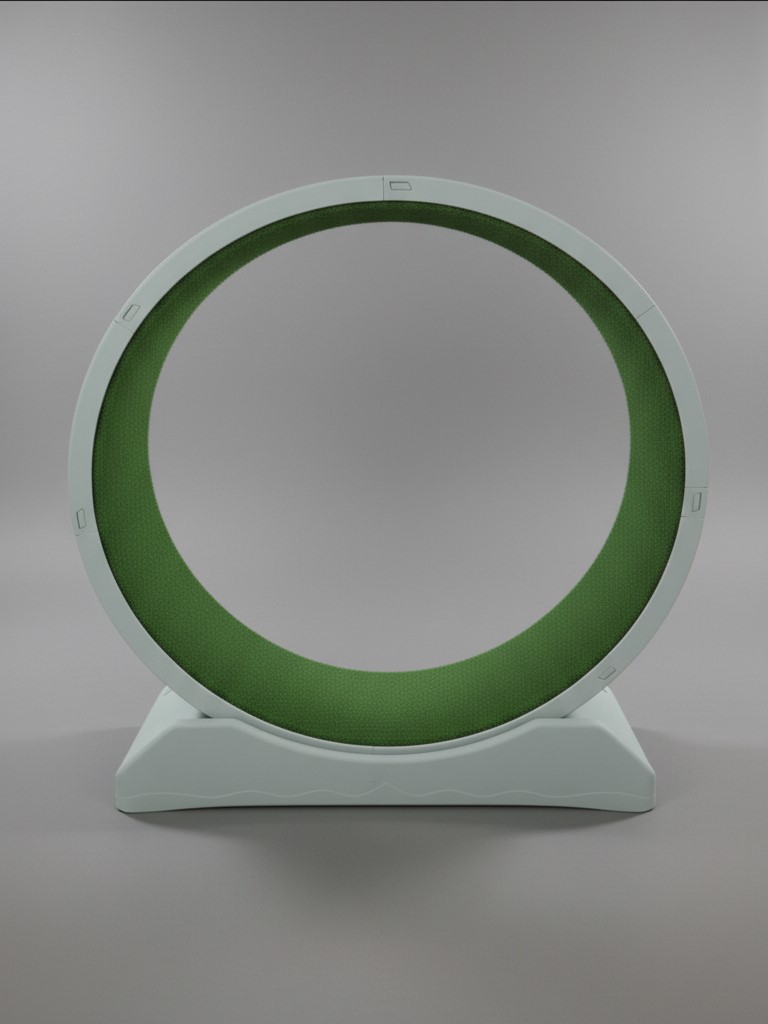
Most pet parents hesitate at the same point.
A treadmill… for a cat?
And the next question comes immediately:
Is it safe?
That hesitation is valid.
Because not all pet treadmills are the same.
The biggest misconception about pet treadmills
Most people assume:
“Motorized must be better.”
Because that’s how human treadmills work.
But for pets, especially cats, that logic doesn’t always hold.
Manual vs motorized pet treadmill differences
Motorized treadmills:
- belt moves automatically
- speed is externally controlled
- pet has to match the pace
Manual (pet-powered) treadmills:
- your pet controls the movement
- pace adjusts naturally
- no forced speed
That difference changes everything.
A manual treadmill avoids forced movement entirely.
Why control matters for cat safety
Cats are not trained runners.
They rely on:
- instinct
- comfort
- control
If the surface moves faster than they’re ready for…
they can panic or disengage.
A manual cat treadmill avoids this completely.
Because:
👉 it only moves when your cat moves
👉 it stops when your cat stops
No force. No mismatch.
Benefits of manual cat treadmill
For indoor cats, the goal is not intense workouts.
It’s:
- movement
- activity
- engagement
A pet-powered treadmill supports that naturally.
It allows:
- gradual familiarisation
- self-paced activity
- lower resistance to use
Instead of forcing exercise…
it invites it.
When should you use a pet treadmill
A cat treadmill is useful if:
- your cat is fully indoor
- activity levels are low
- you don’t have enough space for free running
- your cat shows signs of boredom or inactivity
But it should feel like play, not training.
Why many cats ignore exercise setups
Most exercise tools fail because:
- they feel unnatural
- they require training
- they force behaviour
A treadmill only works if:
👉 the cat chooses to use it
Manual designs improve that probability.
What to look for in a good cat treadmill
If you’re considering one, focus on:
1. Stability
No wobble or imbalance.
2. Smooth movement
Friction should feel natural.
3. Size and comfort
Enough room for your cat to move freely.
4. Noise level
Cats avoid loud or mechanical sounds.
Exercise and rest go hand-in-hand. Explore our journal on swing bed for cats here.
The real goal
This is not about replacing play.
It’s about adding a consistent indoor movement option.
Especially for cats that:
- stay indoors
- get limited stimulation
- don’t naturally exercise enough
Is a treadmill safe for indoor cats
If your concern is safety…
a manual, pet-powered treadmill is often the more intuitive place to start.
Because it works with your pet’s behaviour, not against it.
At House of Furs, we focus on products that reduce resistance — not force habits.
If you’re considering a treadmill for your pet, start with one that lets them stay in control.
Explore the manual pet treadmill designed for natural indoor movement.
FAQs
Is a cat treadmill safe to use?
Yes, especially manual treadmills where the cat controls the movement.
Do cats actually use treadmills?
Some indoor cats do, particularly when introduced gradually.
What is better: manual or motorized pet treadmill?
Manual treadmills are often safer as they allow pets to control their own pace.
Why would a cat need a treadmill?
Indoor cats with low activity levels may benefit from additional movement options.