
Separation Anxiety in Dogs: Can Tech Help?
10 min read · House of Furs Editorial
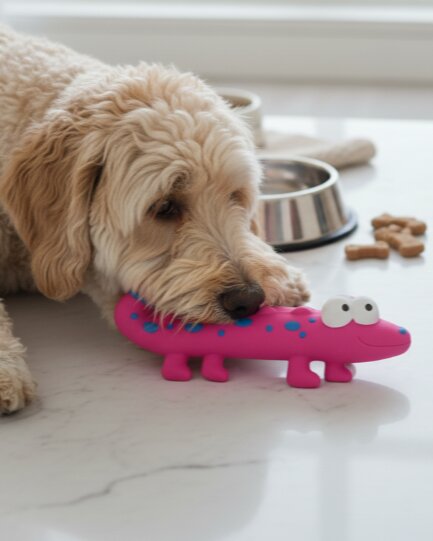
Separation anxiety in dogs cannot be cured by technology, but structured automation, mental stimulation, and predictable routines can reduce stress triggers in urban Indian homes.
What Is Separation Anxiety in Dogs?
Separation anxiety in dogs is a stress response that occurs when a dog becomes distressed during the owner’s absence. It often results in destructive behavior, excessive vocalization, or panic-driven activity.
Separation anxiety in dogs is not simple boredom. It is triggered by attachment patterns and environmental unpredictability.
Common symptoms include:
Excessive barking or howling
Chewing furniture or doors
Scratching at exits
Indoor accidents
Pacing or drooling
In apartment-based Indian households, noise complaints often amplify the pressure on pet parents.
Why Is Separation Anxiety Increasing in Urban India?
Separation anxiety in dogs is rising in metro cities due to long work hours, apartment living, and inconsistent daily routines.
Contributing factors:
Hybrid work schedules
Smaller living spaces
High human interaction followed by sudden absence
Limited outdoor stimulation
Urban dogs often receive intense engagement when owners are home, which increases emotional contrast during departure.
Can Technology Cure Separation Anxiety in Dogs?
Technology cannot cure separation anxiety in dogs, but it can support environmental stability and routine consistency.
Devices are tools. They reduce unpredictability but do not replace:
Training
Exercise
Behavioral intervention
Professional guidance
Severe anxiety requires a certified trainer or veterinary consultation.
How Can Automated Feeding Reduce Anxiety?
Consistent feeding times reduce uncertainty, which can lower stress responses in dogs left alone.
A scheduled meal creates:
A predictable mid-day event
A distraction after departure
A structured daily rhythm
An app-controlled WiFi automatic dog feeder from House of Furs ensures portion control and time precision, even during unpredictable workdays.
Routine reduces emotional spikes.
Does Hydration Influence Stress Levels?
Steady hydration supports physical regulation, which indirectly stabilizes stress responses in dogs.
Anxious dogs may pace excessively, leading to dehydration in warmer Indian climates.
A wireless sensor-based dog water fountain keeps water circulating and accessible without supervision.
Clean, moving water encourages consistent intake.
Can Interactive Toys Reduce Destructive Behavior?
Mental stimulation reduces boredom-related destruction, which is often mistaken for anxiety.
Not all destructive behavior is separation anxiety. Some dogs simply lack structured engagement.
Effective tools include:
Devices like interactive smart toys for dogs from House of Furs provide controlled stimulation without overwhelming the dog.
Moderation is essential. Overstimulation can increase arousal.
Should You Tire Your Dog Before Leaving?
Pre-departure exercise significantly reduces restlessness during alone time.
Energy release is foundational.
Tools that support structured outdoor activity include:
A secure retractable dog leash with LED light for early morning or evening walks
Fetch sessions using an automatic ball launcher or physical play
A physically satisfied dog is more likely to rest calmly after departure.
Exercise first. Automation second.
Does Environmental Automation Help?
Environmental cues create predictability, which lowers anticipatory stress.
Examples:
Lights dim at a fixed hour
Feeding occurs shortly after departure
Soft ambient sound plays
Predictable environmental shifts reduce emotional contrast.
If you are designing a broader ecosystem, refer to our guide on building a smart home for pets in India .
Structure supports stability.
When Should You Seek Professional Help?
Professional help is necessary if a dog shows panic-level behavior, self-injury, or refusal to eat when left alone.
Warning signs:
Attempting to break doors or windows
Self-harm during escape attempts
Severe regression in house training
Continuous vocalization for hours
Technology should never replace behavioral assessment.
Common Mistakes Pet Parents Make
The most common mistake is using alternatives as substitutes for training.
Avoid:
Skipping exercise
If using cameras, constantly speaking through them
Inconsistent departure routines
Automation works best as part of a layered care strategy.
Key Takeaways
Separation anxiety in dogs is rooted in unpredictability and attachment.
Automated feeding reinforces routine.
Hydration and mental stimulation reduce secondary stress behaviors.
Exercise before departure remains essential.
Responsible use of smart pet devices strengthens routine without replacing accountability.